Skincare
The SPF Rules That Actually Matter After 45
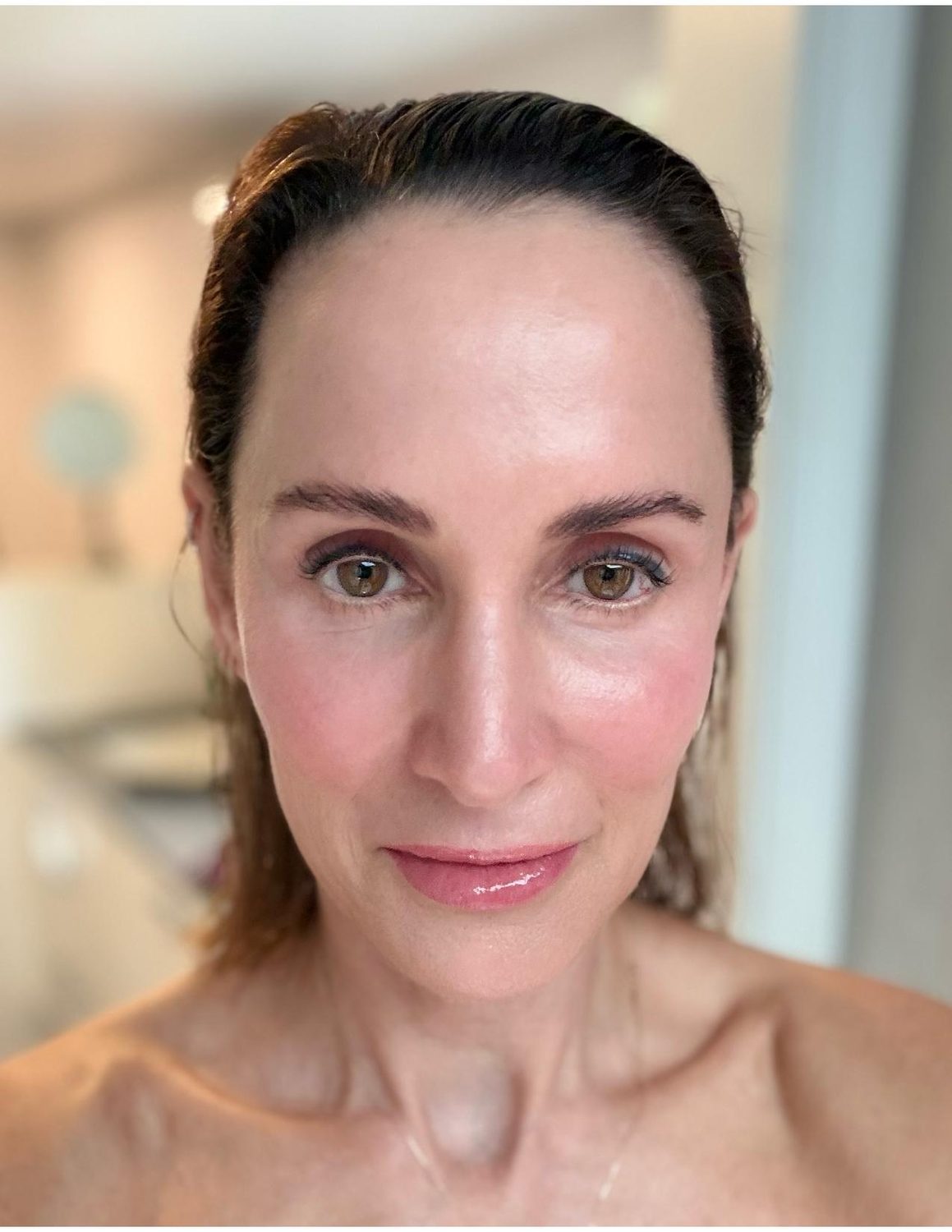
I spent years applying SPF wrong. Not skipping it — applying it wrong. Too little, too infrequently, the wrong formula for my skin type. Here's what I know now that I wish I'd known at 35.
The number on the bottle matters less than you think
SPF 30 blocks about 97% of UVB rays. SPF 50 blocks about 98%. The difference is real but small — what matters far more is how much you apply and whether you reapply. Most people use a quarter of the amount needed to achieve the SPF on the label. If you're applying SPF 50 like a finishing powder, you're getting SPF 10 at best.
The two-finger rule
For your face and neck: squeeze SPF along the length of your index and middle fingers — that's the amount needed for adequate coverage. It feels like a lot. It is a lot. Do it anyway.
For your body: a shot glass worth (about 30ml) for full body coverage. If you're in a swimsuit, you are almost certainly not applying enough.
Reapplication is non-negotiable
Every two hours in UV exposure. Not once in the morning and done. Immediately after swimming or towelling off, regardless of the time. This is the rule that most people know and almost nobody follows consistently — including me, until I started treating it like a non-negotiable.
For daily wear when you're mostly indoors with some outdoor exposure: morning application and one reapplication at midday covers most situations.
Mineral vs chemical — what actually matters for our skin
Mineral SPF (zinc oxide, titanium dioxide) sits on top of skin and physically deflects UV. Better for sensitive skin, rosacea-prone skin, and post-treatment skin. The trade-off: can leave a white cast, especially on deeper skin tones, and can feel heavier.
Chemical SPF absorbs UV and converts it to heat. Lighter feel, invisible finish, better under makeup. Some chemical filters (particularly oxybenzone) have raised questions about hormone disruption and reef safety — worth knowing, not necessarily cause for alarm, but I've personally shifted toward formulas that avoid it.
For mature skin: I find tinted mineral SPF works beautifully — it addresses the white cast issue and doubles as light coverage. Look for formulas with added antioxidants like vitamin C or niacinamide for extra protection against free radical damage.
The areas we forget
Ears. The back of the neck. Hands. Chest décolletage. These are the areas that show age first and get the least SPF attention. Your hands especially — they're in UV every time you drive, every time you're near a window. A dedicated hand SPF or just making sure your face SPF gets rubbed onto your hands too makes a real cumulative difference over years.
What I actually use
I rotate depending on the day and season. For daily wear under makeup: a lightweight chemical SPF that sits well under foundation. For weekends and outdoor time: a tinted mineral SPF that I can wear alone. For body: I've stopped treating this as optional and keep a formula I actually like the feel of — compliance matters more than perfection here.
My current picks are linked in my Amazon storefront and Linktree.
← Back to JournalSome links on this site are affiliate links; I may earn a small commission at no extra cost to you, and I only ever share what I genuinely use and rate. This is not medical advice — always consult a dermatologist for personalised recommendations.